

GPT-6 Cyber and the “AI-Pilled” Trap in Security Research
GPT-6 Cyber and the “AI-Pilled” Trap in Security Research Steve Gibson’s experience using Claude on a legacy software project helps explain why capable AI can change a researcher’s expectations. OpenAI’s GPT-6 Cyber launch raises the stakes. Its results in Firefox and Linux show what an AI-assisted investigation can uncover, while its scope tests show why researchers still need independent evidence, tightly limited access, and a clear path from discovery to a verified fix. Table of Contents What Steve Gibson meant by “AI-pilled” What GPT-6 Cyber
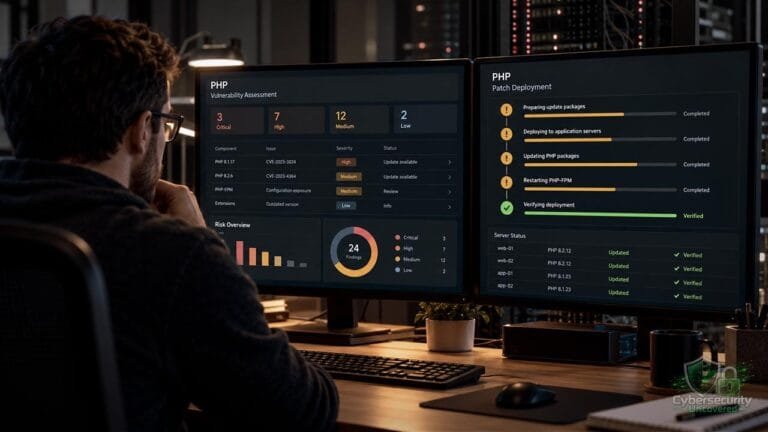
PHP Security Flaws: OpenAI’s Response and Gibson’s Warning
The PHP Security Crisis: OpenAI’s Response and Steve Gibson’s Warning for Defenders Two critical PHP vulnerabilities have exposed a difficult security problem: finding a dangerous flaw is only the beginning. Drawing on Steve Gibson’s Security Now coverage and the original advisories, this Cybersecurity Uncovered analysis examines the bugs, OpenAI’s response, and the decisions that turn a patch into protection. Table of Contents Why This PHP Security Issue Matters What the Two Vulnerabilities Actually Do What OpenAI Contributed Steve Gibson’s Main Concerns What Security Researchers Should

Hidden AI Backdoors: Risks and Defenses
Hidden AI Backdoors: When a Trusted Model Becomes a Security Risk An AI assistant can answer questions correctly, handle routine work, and still carry a hidden instruction that changes its behavior under specific conditions. That possibility sits at the center of the supplied transcript of Security Now, episode 1100, recorded October 13, 2026. During the episode, Steve Gibson and Leo Laporte discussed malicious modifications to large language models (LLMs). The practical question reaches beyond whether an assistant produces a good answer: what happens when that
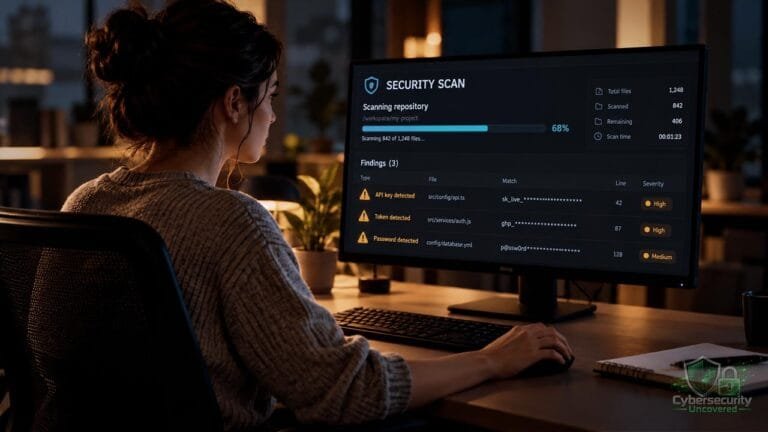
Gitleaks: Find Exposed API Keys, Passwords & Tokens
Gitleaks: Finding Exposed Credentials Before They Become a Bigger Problem A website project can contain more than code. It may also contain the credentials that let that code send email, connect to a database, or access a paid service. During development, copying a working key into a configuration file can feel convenient. The trouble begins when that file becomes part of a shared project. Gitleaks helps identify those mistakes. It is an open-source command-line tool that looks for potential secrets, including passwords, application programming interface

What Does a SOC Analyst Do During a Shift?
What Does a SOC Analyst Actually Do During a Shift? A suspicious login appears on a screen. An employee reports an unusual email. A security tool flags a program running on a company laptop. Which one needs attention first—and what would justify taking action? Those decisions are central to a SOC analyst’s job. SOC stands for Security Operations Center, a function that brings together people, processes, and technology to monitor and respond to security threats. The analyst helps turn security signals into an explanation of

Is Cybersecurity Hard to Learn?
Is Cybersecurity Hard to Learn, Here’s What the Evidence Shows Cybersecurity can feel intimidating. Strange terms, complicated tools, and endless course choices make getting started seem harder than it should be. But learning the basics and mastering advanced security work are different challenges. Nathan House of StationX draws on a reported 30 years in cybersecurity and more than 500,000 students. His central message staying focused can be a bigger obstacle than understanding the lessons. That’s an educator’s observation, not a study tracking 500,000 learners. What’s